US Launches Retaliatory Strikes on Iran as Ceasefire Collapses: Escalation Rocks Middle East
By SyndicatedNews | SNN.BZ
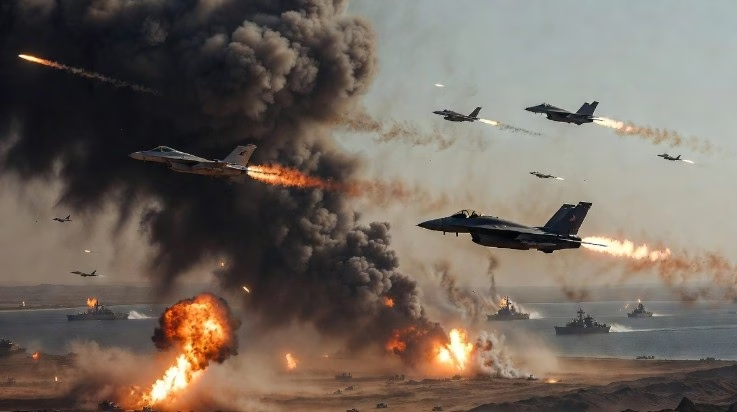
In a dramatic escalation of tensions in the Middle East, the United States has carried out a series of powerful retaliatory airstrikes against Iranian targets following the apparent breakdown of a fragile ceasefire. President Donald Trump has publicly declared the ceasefire “over,” warning of potential further military action while emphasizing rapid response capabilities.
According to reports from U.S. Central Command and multiple international outlets, the strikes targeted Iranian command and control networks, radars, and assets linked to attacks on commercial shipping in the region. Iranian forces are reported to have violated the ceasefire by launching operations against commercial vessels, prompting the swift U.S. response.
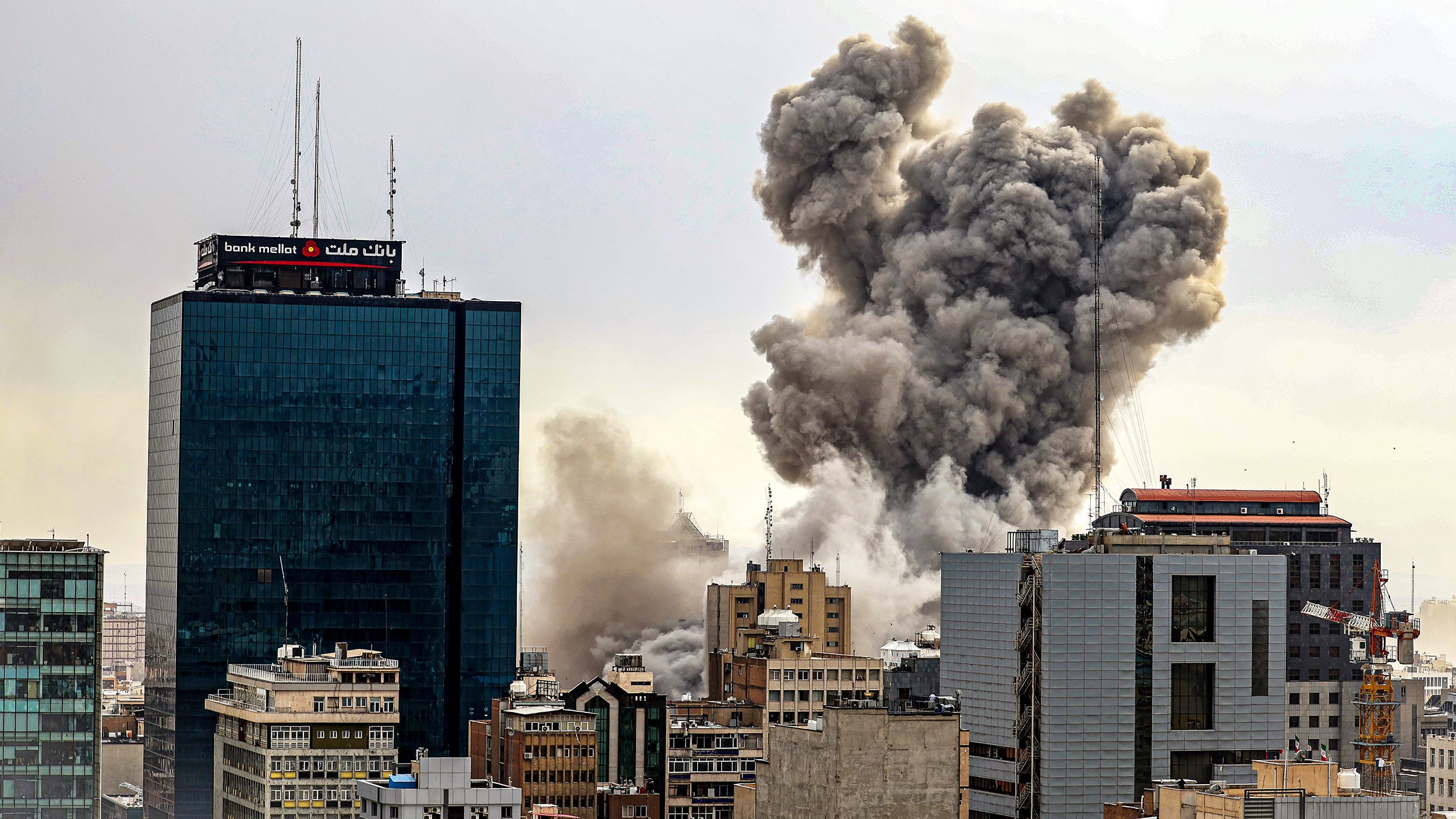
Trump says strikes on Iran could last four to five weeks
Smoke rises over an Iranian city skyline amid reported strikes (stock/illustrative news imagery).
Timeline of the Escalation
- Ceasefire Breakdown: The fragile truce between the U.S. and Iran collapsed amid mutual accusations of aggression. Iran allegedly targeted commercial ships, drawing a firm response from American forces.
- U.S. Strikes: Central Command described the operation as involving “powerful strikes” on key military infrastructure, including ship-launched missiles and small boat fleets associated with Iranian Revolutionary Guard elements.
- Trump’s Response: The President addressed the situation directly, stating that additional actions could be taken “very quickly” if necessary. He is also scheduled to meet with Ukrainian President Volodymyr Zelenskyy amid parallel developments in the Russia-Ukraine conflict, where Russia has intensified attacks.
- Regional Fallout: The strikes come against the backdrop of mourning and protests in Iran following the death of Supreme Leader Ayatollah Ali Khamenei, with large crowds chanting anti-U.S. and anti-Israel slogans.

Mapping US and Israeli attacks on Iran and Tehran’s retaliatory strikes
Map illustrating reported strike locations and retaliatory actions across the region.
Parallel Developments Heighten Global Concerns
Adding to the day’s high-stakes drama, emergency responders in New York City are racing to stabilize a Midtown Manhattan high-rise where structural beams have been found buckling. Multiple buildings remain under evacuation orders as engineers work to prevent a potential collapse.
Search efforts continue for a missing cargo jet that disappeared from radar over international waters, carrying five people on board.
International Reactions
World leaders are monitoring the situation closely, with NATO discussions ongoing. Trump has also signaled support for enhanced aid to Ukraine, including licensing Patriot missile production overseas. Analysts warn that the U.S.-Iran clash could have ripple effects on global energy markets, shipping routes through the Gulf, and broader geopolitical alliances.
Iranian state media has condemned the strikes, while U.S. officials describe them as measured and necessary to protect commercial interests and deter further aggression.
What’s Next?
As of this writing, the situation remains fluid. President Trump has indicated that any additional military moves would be executed swiftly, but he does not anticipate a full-scale resumption of broader conflict. Markets are reacting with volatility, particularly in oil futures, as investors brace for potential disruptions.
This unfolding story highlights the volatile nature of Middle East dynamics and the high-stakes role of U.S. foreign policy under the current administration. Syndicated News will continue to monitor developments with a commitment to neutral, factual reporting.