U.S. Actually “Stole” Puerto Rico – Time to Return It

THE UNITED STATES STOLE PUERTO RICO FROM SPAIN AND QUADRUPLED EXPLOITATION ON THE ISLAND IN EVERY POSSIBLE WAY
By Nilda Campos Correa | SNN.BZ
In a compelling video by journalist Johnny Harris, titled “How the U.S. Stole Puerto Rico,” the island’s history is laid bare as a tale of conquest, exploitation, and resilient resistance. Drawing from this narrative, it’s clear that Puerto Rico’s relationship with the United States has been one of unequal power dynamics, marked by economic plunder, cultural erasure, and political suppression.
As we reflect on this history in 2025, amid ongoing debates over the island’s status, it’s time to confront an uncomfortable truth….
That the United States MUST remove its foot from Puerto Rico’s neck. Continuing the colonial arrangement not only perpetuates injustice but also hinders the island’s potential for true self-governance. This article explores the historical foundations from Harris’s video and argues why independence—or at the very least, a decisive path forward—is long overdue.
Puerto Rico’s modern saga begins in 1898, during the Spanish-American War. The U.S., positioning itself as a liberator, allied with local independence fighters to dismantle Spain’s crumbling empire. Victory came swiftly, but so did betrayal. Instead of granting freedom, the U.S. seized control of Spain’s colonies, including Puerto Rico. In a subdued ceremony in San Juan, the island transitioned from 400 years of Spanish rule to American oversight, setting the stage for over a century of subjugation.
The early 20th century saw the U.S. treat Puerto Rico as an economic experiment. Laws granted Washington total political authority, installing American governors who prioritized profit over people. These officials diverted public funds to U.S.-owned businesses, fostering monopolies in sugar production—companies like Domino Sugar that dominated global markets. Predatory loans from American banks led to widespread foreclosures, converting family farms into vast plantations. Shipping mandates required all goods to travel on U.S. vessels, inflating costs for locals. The devaluation of Puerto Rican currency halved residents’ wealth overnight, while Spanish was banned in schools and government, eroding cultural identity.
In 1917, Congress granted U.S. citizenship to Puerto Ricans—just in time for World War I drafts. Thousands were sent to the front lines to defend a nation that had systematically impoverished their homeland. The Supreme Court’s 1922 Insular Cases formalized this second-class status, declaring Puerto Rico an “unincorporated territory” where the Constitution didn’t fully apply. This legal fiction, rooted in racial biases, implied Puerto Ricans weren’t “American enough” for equal rights.
By the 1930s, U.S. corporations controlled 60% of sugar farms, 80% of tobacco, and all railroads and shipping. Wages plummeted to pennies an hour, fueling poverty and malnutrition. The island became a military outpost, with bases used for bomb testing that left toxic legacies. Amid this, resistance brewed.
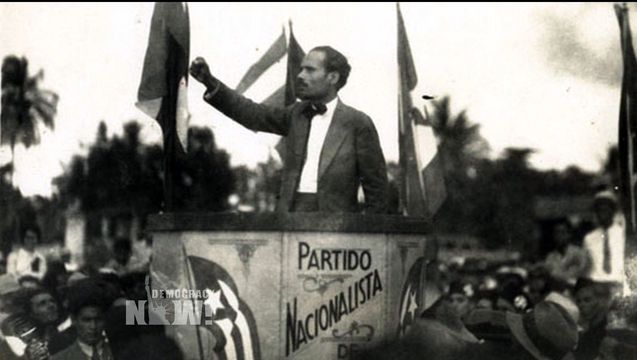
Pedro Albizu Campos, a Harvard-educated lawyer and World War I veteran, emerged as a beacon for independence. Inspired by global anti-colonial movements—he even helped draft Ireland’s constitution—Campos led the Nationalist Party. They organized strikes and elections, challenging exploitation. But U.S. response was brutal. In 1935, a scandal erupted when Dr. Cornelius Rhoads boasted in a letter about killing Puerto Ricans in experiments, calling them a “degenerate race.” Though exposed, Rhoads faced no repercussions, further igniting fury.
Violence escalated: police killed nationalists at a university rally, leading to retaliatory assassinations. Campos was imprisoned on dubious charges. The 1937 Ponce Massacre saw police fire on peaceful protesters, killing 19 and wounding over 100. The FBI launched a massive surveillance program, compiling “carpetas” on thousands—dossiers tracking everything from criminal records to personal relationships. This psy-op divided communities, coerced informants, and stifled dissent for decades.
The 1950s brought open revolt. Nationalists declared independence, seizing towns and attempting assassinations. The U.S. bombed its own citizens in Jayuya—the only such instance in history—killing dozens. More uprisings followed, including shots fired in Congress. Campos was re-imprisoned, allegedly tortured with radiation. The movement was crushed, but the scars remain.
The Lingering Shadow of Colonialism in 2025
Fast-forward to today, and Puerto Rico remains an unincorporated territory—a polite term for colony. Residents are U.S. citizens but can’t vote for president, lack voting representation in Congress, and face unequal federal benefits. Recent developments underscore the unsustainability of this status. In May 2025, independence advocates unveiled a comprehensive economic plan for a sovereign Puerto Rico, outlining paths to self-sufficiency through diversified industries and international partnerships. Meanwhile, statehood proponents point to four referendums favoring integration as the 51st state, urging Congress to act.
Yet, the territorial limbo persists, exacerbated by crises. Hurricane Maria in 2017 exposed federal neglect, with delayed aid highlighting second-class treatment. Economic woes, including a massive debt crisis overseen by a U.S.-appointed fiscal board, continue to strangle growth. In 2025, discussions in Congress and groups like LULAC emphasize that self-determination requires federal intervention, as the current setup is “unjust and unsustainable.”
Protests persist, blending calls for statehood, independence, or enhanced autonomy. Images from recent demonstrations echo the nationalist fervor of the past, with flags waving against a backdrop of unresolved grievances.
Why It’s Time to Lift the Foot
The metaphor of the U.S. foot on Puerto Rico’s neck captures the asphyxiating grip of colonialism. For 127 years, the island has enriched America—through labor, military service, and culture—while receiving scraps. The video’s portrayal of “stolen” sovereignty resonates: Puerto Rico wasn’t invited to the table; it was served as dessert.
Maintaining the status quo denies 3.2 million Americans full democracy. Statehood could grant equality, but it risks cultural dilution and continued economic dependency. Independence, as outlined in the 2025 plan, offers a chance to forge sovereign alliances, reclaim resources, and heal historical wounds. Polls and referendums show divided opinions, but consensus grows that change is inevitable.
Congress holds the key, as recent analyses affirm. In a post-colonial era, the U.S. must honor self-determination principles it champions globally. Removing the foot means enabling a binding plebiscite with viable options: statehood, independence, or free association. Anything less perpetuates the theft.
Puerto Rico’s vibrant spirit—its music, cuisine, and resilience—deserves autonomy. As Harris’s video reminds us, history isn’t just past; it’s a call to action. It’s time for the U.S. to step back and let Puerto Rico stand tall.

The most significant Puerto Rican nationalists, particularly those associated with the push for independence from the United States, center around the Puerto Rican Nationalist Party (Partido Nacionalista de Puerto Rico) and its key figures in the 20th century.
Pedro Albizu Campos (1891–1965)
Widely regarded as the most iconic and influential Puerto Rican nationalist. A Harvard-educated lawyer, brilliant orator (known as “Don Pedro” or “El Maestro”), and president of the Nationalist Party from 1930 until his death. He led the party’s shift toward militant resistance against U.S. colonial rule, organized uprisings, and inspired generations with his anti-imperialist rhetoric. Albizu Campos spent decades in prison for his activities, including the 1950 revolts, and remains a symbol of Puerto Rican sovereignty—revered by independentistas and commemorated in streets, schools, and murals across the island and diaspora.
Lolita Lebrón (1919–2010)
One of the most recognizable figures due to her leadership in the dramatic 1954 armed attack on the U.S. House of Representatives in Washington, D.C., alongside Rafael Cancel Miranda, Andrés Figueroa Cordero, and Irvin Flores Rodríguez. Lebrón unfurled a Puerto Rican flag and shouted “¡Viva Puerto Rico Libre!” during the shooting, which wounded five congressmen but aimed to draw global attention to Puerto Rico’s colonial status. She became an international symbol of resistance and was imprisoned for 25 years before being pardoned by President Jimmy Carter in 1979.
Blanca Canales (1906–1996)
A prominent leader in the 1950 Puerto Rican Nationalist revolts. She commanded the Jayuya Uprising, where nationalists seized the town, proclaimed the Republic of Puerto Rico, and raised the flag. Canales declared independence from a balcony before U.S. forces (including airstrikes) recaptured the area. She was arrested and imprisoned for years, earning recognition as a trailblazing female revolutionary in the movement.
Oscar Collazo (1914–1994) and Griselio Torresola (1925–1950)
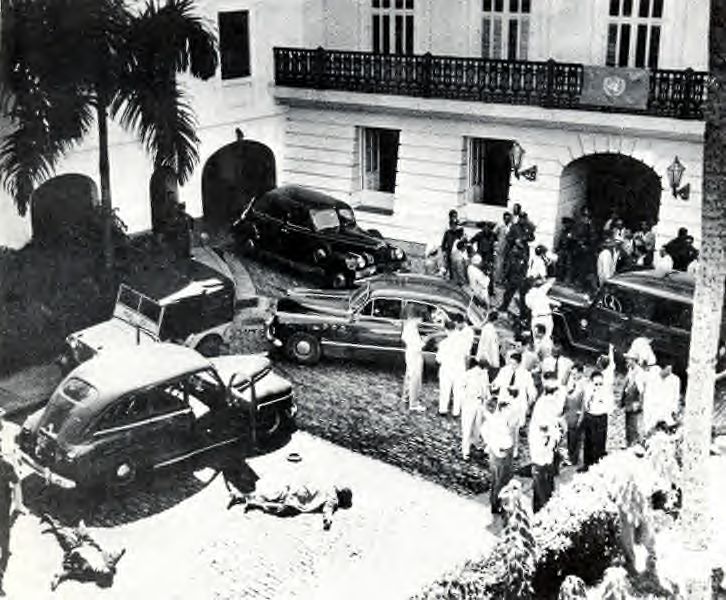
Key participants in the 1950 attempt to assassinate President Harry S. Truman at Blair House to protest U.S. rule. Torresola was killed in the shootout, while Collazo was wounded, convicted, and sentenced to death (later commuted). He was pardoned in 1979 and remains a martyr figure for many nationalists.
Earlier Figures
- Ramón Emeterio Betances (1827–1898) — Often called the “Father of the Puerto Rican Nation,” he led the 1868 Grito de Lares revolt against Spanish rule and is foundational to modern independence ideology.
- Eugenio María de Hostos (1839–1903) — An educator and intellectual who advocated for independence and Pan-Antillean unity.
These individuals, especially from the mid-20th century Nationalist Party era under Albizu Campos, are the most celebrated (and controversial) in Puerto Rican history for their direct actions against colonialism. Their legacies continue to fuel debates on independence today. 🇵🇷