THE KILLING VIDEO ON NETFLIX: A HORROR
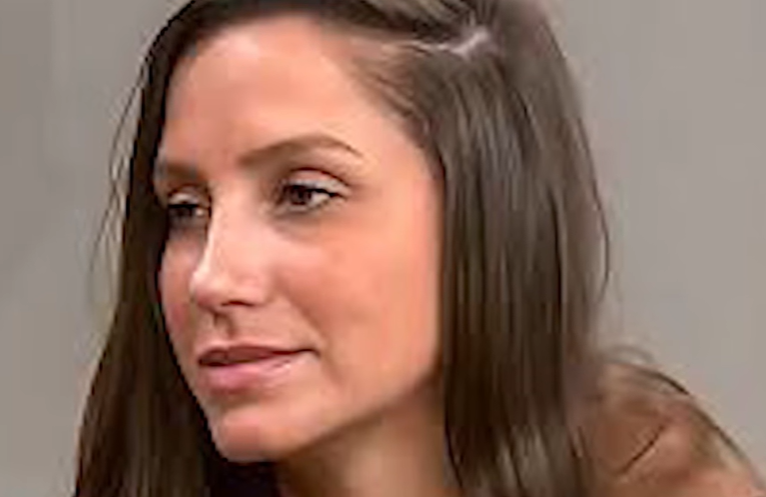
MACKENZIE SHARILLI (R) SERVING 15 TO LIFE
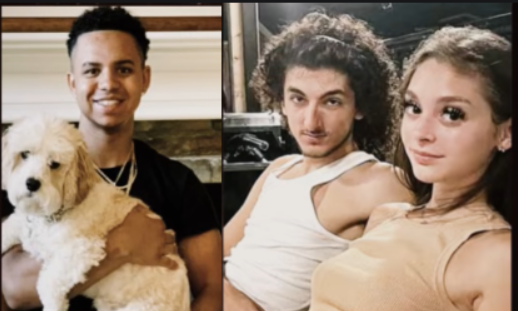
Mackenzie Shirilla (also spelled McKinzie or McKenzie Sherilla in some reports) is serving two concurrent 15-years-to-life sentences in an Ohio prison for the 2022 murders of her boyfriend Dominic Russo (20) and their friend Davion Flanagan (19).
SyndicatedNews True Crime | SNN.BZ
A judge convicted her in a 2023 bench trial of multiple charges, including murder, after she drove a Toyota at over 100 mph into a brick building in Strongsville, Ohio.
You MUST listen to these phone calls!
The case gained renewed attention in May 2026 with Netflix’s documentary The Crash, which includes Shirilla’s first prison interview, along with extensive input from her parents, Natalie and Steve Shirilla. The film reignited public debate, but it also spotlighted details omitted from the documentary and led to professional consequences for her father.
Cuyahoga County Prosecutor’s Office
Michael C. O’Malley

The Crash: What Happened on July 31, 2022
Early that morning, around 5:30 a.m., Shirilla drove with Russo and Flanagan in the car. Surveillance video showed her approaching the area at normal speed before accelerating dramatically. The vehicle’s event data recorder (black box) indicated the accelerator was fully depressed for about 4.6 seconds before impact, with no braking. She slammed into a brick building (described in reports as a Plidco structure or near a Rite Aid) at over 100 mph. The car split apart. Russo and Flanagan died; Shirilla survived with serious injuries and was airlifted to a hospital.
Shirilla has consistently claimed she blacked out, had no memory of the events, and that it was a tragic accident—not intentional. Prosecutors argued it was deliberate, citing:
- The toxic nature of her relationship with Russo (fights, threats, a recorded call where she sounded controlling).
- Cell phone/GPS data placing her in the crash area days earlier, suggesting she may have scouted the location.
- No evidence of impairment from marijuana (found in the car) that would explain the deliberate acceleration.
- Steering and gear changes consistent with intent.
A judge agreed, calling it a “mission of death” and referring to her as “hell on wheels.” She received the mandatory sentence: 15 years to life on the murder counts (concurrent), plus other merged charges, with her driver’s license permanently suspended. Appeals have been denied or rejected on procedural grounds.
Post-Crash Behavior and Trial Evidence
Prosecutors highlighted Shirilla’s actions afterward as showing lack of remorse:
- She sought photos from Dominic’s room for his casket (“so he can be with me forever”).
- She attended a concert in a wheelchair months later while the investigation was ongoing.
- Social media and public appearances portrayed her as a grieving victim, allegedly positioning herself for modeling opportunities.
The defense emphasized a possible medical condition (she took salt pills for dizziness) and her genuine grief, including wearing Russo’s clothes and maintaining a shrine. Her mother testified emotionally about this in court, though it drew criticism for focusing more on her daughter than the victims.
The Netflix Documentary The Crash (2026)
Released around May 15, 2026, the film features interviews with Shirilla from prison (still maintaining innocence and no memory), her parents (who staunchly defend her), victims’ families, prosecutors, and defense attorneys. It humanizes the young love narrative pushed by Shirilla’s side but has faced backlash for allegedly downplaying black box data, prior threats, post-crash behavior, and other prosecution evidence.
Many viewers and commentators found the parents’ unwavering support disturbing, with some calling it enabling or delusional. The documentary has been a viral hit but polarizing.
Fallout for Shirilla’s Parents, Especially Her Father
Steve Shirilla, an art and digital media teacher at Mary Queen of Peace School in Cleveland, appeared prominently in the documentary, unapologetically defending his daughter’s innocence and criticizing the judge and process. Following its release, the school placed him on administrative leave after receiving complaints from parents and community members about his comments and “poor judgment.” The school launched an investigation. Steve confirmed the leave to local media and expressed frustration with the documentary’s editing, claiming more context was omitted.
Natalie Shirilla has also faced online criticism for her statements in the film and court, including downplaying aspects of the case or focusing on her daughter’s grief. No formal legal “crimes” beyond the original case have been widely reported against the parents themselves—the “grave trouble” appears to stem from public backlash, professional repercussions, and renewed scrutiny of their defense of Mackenzie. Prosecutors and the public have long viewed the family’s stance as at odds with the evidence.
Broader Context and Lingering Debate
The case divided opinions from the start. Victims’ families described profound, irreversible loss. Shirilla’s side points to her youth, claimed medical issues, and lack of clear motive. However, the physical evidence (black box, no braking, acceleration) and relationship context convinced the court of intent.
As of mid-2026, Shirilla remains incarcerated, pursuing further appeals with limited success. The Netflix film has brought the story back into the spotlight, ensuring the tragedy—and questions about accountability, family loyalty, and justice—continue to resonate. The Law&Crime video you linked dives deeper into five “twisted details” omitted from the doc, including more on the parents, post-crash actions, and trial evidence that strengthened the prosecution’s case.
This remains a heartbreaking story of young lives cut short, with profound ripple effects still unfolding years later.