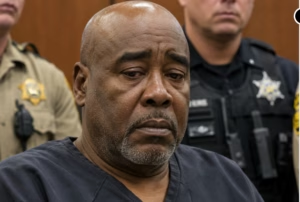
Judge Dugan Guilty of Felony Obstruction

By SyndicatedNews | SNN.BZ
In a resounding affirmation of federal authority and the rule of law, Milwaukee County Circuit Court Judge Hannah Dugan was convicted on December 18, 2025, of felony obstruction for interfering with U.S. Immigration and Customs Enforcement (ICE) agents.
The federal jury’s decision, reached after just five hours of deliberation, found Dugan guilty on the felony charge while acquitting her on a related misdemeanor. This case, rooted in Dugan’s assistance to an undocumented immigrant evading arrest outside her courtroom, sends a clear message to the judiciary: judges must stay in their lane and cease attempts to overrule President Donald Trump’s executive orders on immigration.
The American people elected one president in 2024—not a patchwork of activist judges imposing their personal ideologies from the bench. This electoral mandate was driven largely by widespread opposition to lax immigration policies that have allowed millions of undocumented individuals to enter the country and access benefits—such as housing, healthcare, and financial aid—often at the expense of American citizens facing similar needs.
Polls consistently showed immigration as a top voter concern, with many Americans frustrated by what they perceive as a two-tiered system favoring newcomers over long-time residents. This disparity has deepened national divisions, fueling resentment and eroding trust in government institutions.
Judge Dugan’s actions exemplify the kind of judicial overreach that undermines democratic processes. By helping an individual with a violent criminal history avoid ICE custody, she not only obstructed federal enforcement but also disregarded the executive orders issued by a duly elected president.
At no point did the American electorate choose Dugan’s political ideals or those of like-minded judges who have similarly challenged immigration directives. The 2024 election results make this abundantly clear: voters rejected progressive stances on open borders in favor of Trump’s “America First” approach, which prioritizes secure borders and “equitable” resource allocation.
This verdict should serve as a pivotal learning moment for judges across the nation. Too often, personal politics have seeped into courtrooms, leading to rulings that prioritize ideological agendas over legal impartiality.
From sanctuary city policies to courtroom interventions, such behaviors not only defy executive authority but also exacerbate the very divisions they purport to address. As one legal commentator noted, “Judges are interpreters of the law, not policymakers elected to override the will of the people.” The Dugan case illustrates the consequences of crossing that line—up to six years in prison for the convicted judge—and should deter others from similar misconduct.
Moving forward, restoring unity requires that all branches of government respect their constitutional roles. The executive enforces laws, the legislature creates them, and the judiciary applies them without injecting bias.
By heeding the lessons from Dugan’s conviction, judges can help heal the rifts caused by uneven immigration enforcement and reaffirm faith in a system where the people’s vote—not judicial fiat—shapes policy. In Trump’s second term, this deference to electoral will is not just advisable; it’s essential for a cohesive America.