Drunk Police Chief Crashes SUV With Open Vodka Bottle – Gets No DUI

Former Titusville Police Chief John Lau will not face DUI or other criminal charges following a single-vehicle crash involving a city-owned SUV on Barna Road, Titusville, Florida. Lau had an open bottle of Ketel One vodka and an unopened can of Arizona Strawberry Tea. Lau refused a breath test at the scene and refused a blood test at the Parrish Medical Center according to the Florida Highway Patrol (FHP). All related reports are contained in this article.
By Ruthie DiTucci | SNN.BZ
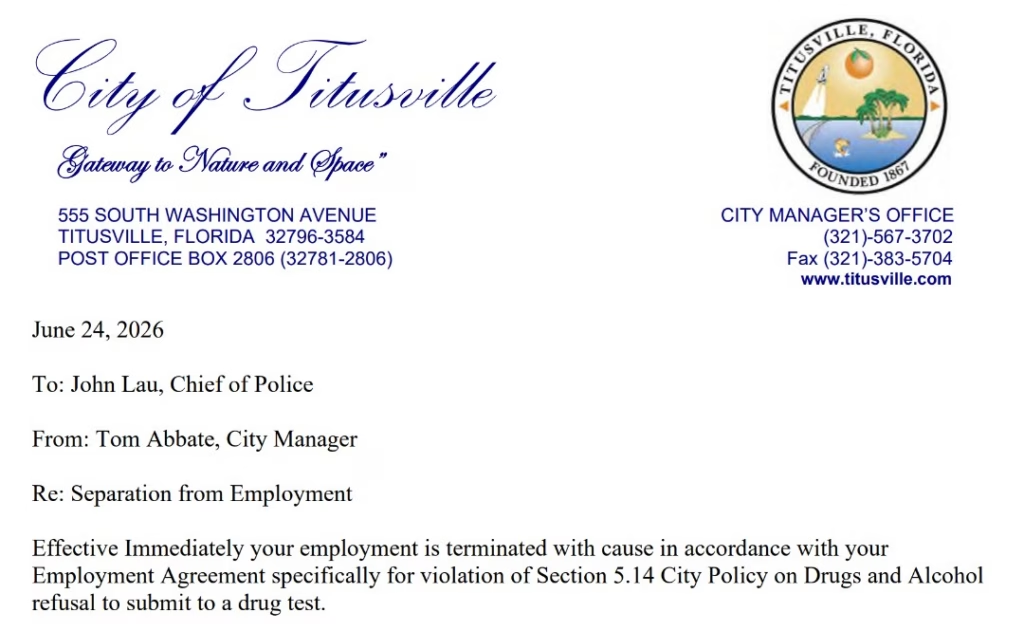
TITUSVILLE, Fla. — Former Titusville Police Chief John Lau was fired after crashing a city-owned police SUV and refusing to submit to alcohol testing requested under city personnel policy, according to the City of Titusville.
The crash occurred while Lau was driving an unmarked city-owned late model Chevrolet Tahoe. Public reports state that the vehicle left the roadway and rolled over several times before coming to rest. Lau survived the crash and was transported to Parrish Medical Center for treatment.
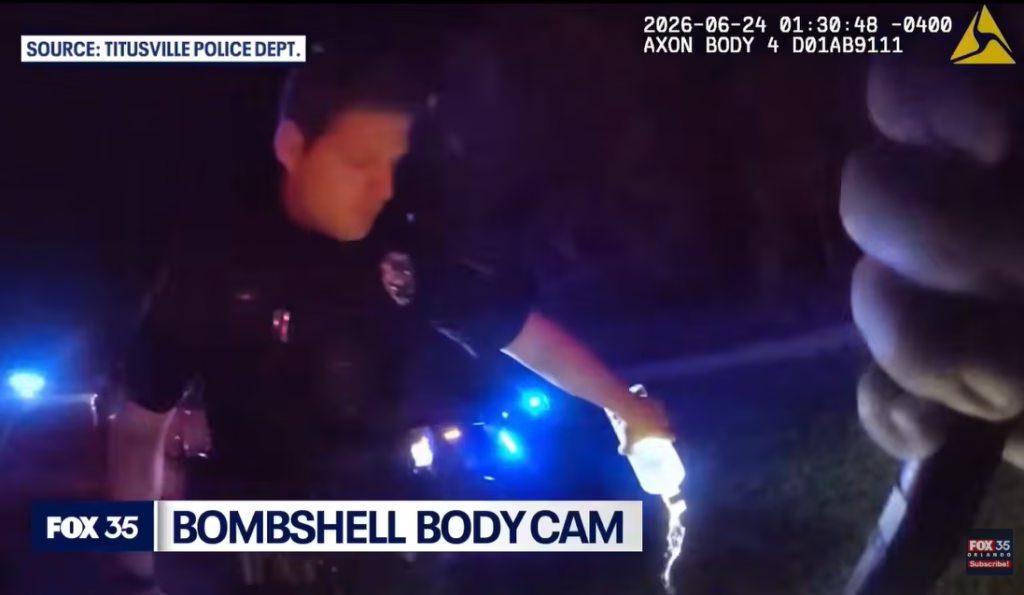
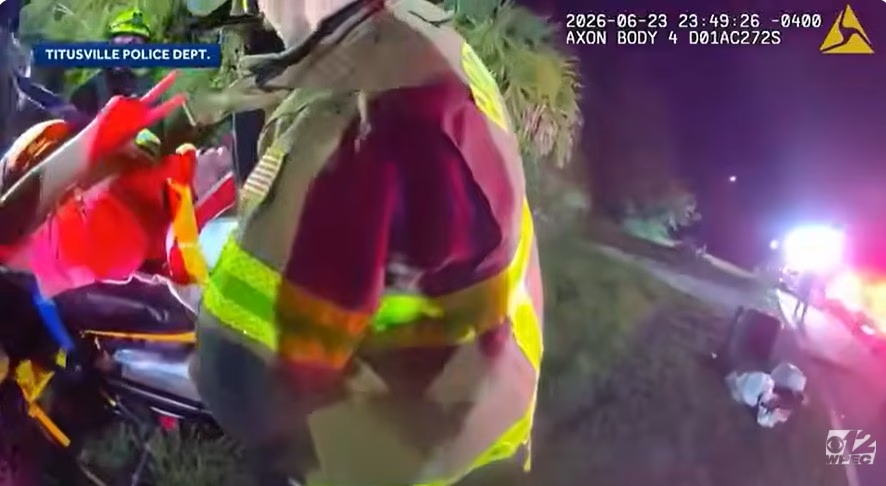
Body-camera footage released after the incident shows responding officers documenting the crash scene, including photographing a partially consumed bottle of Ketel One vodka and a metal drinking cup found inside the vehicle. The footage has drawn significant public attention because it captured officers carefully preserving and documenting the evidence found in the SUV.
According to the City of Titusville, officers requested that Lau submit to breath and blood alcohol testing under the city’s personnel policies. The city states that Lau refused those tests. City officials cited that refusal as the basis for terminating his employment.
Although the presence of an open bottle of vodka and Lau’s refusal to undergo alcohol testing have fueled public speculation that alcohol played a role in the crash, no chemical test was performed because of the refusal. As a result, there is no publicly available blood alcohol concentration (BAC) result.
The Florida Highway Patrol investigated the crash and announced that it did not file criminal charges related to impaired driving. Without chemical test results or other evidence sufficient to support prosecution, authorities did not pursue a DUI case.
The incident has prompted criticism from some members of the public, who argue that an ordinary motorist under similar circumstances might have faced a different investigative process. Others have questioned why a police chief was able to refuse alcohol testing under employment policy while still avoiding criminal DUI charges.
Questions have also arisen regarding Lau’s retirement benefits. Although he was terminated from his position, there is no public indication that his pension has been forfeited. Under Florida law, pension forfeiture generally requires conviction of certain specified public-corruption or employment-related crimes rather than termination alone. Because no criminal charges were filed in connection with the crash, there is no public evidence that his pension has been revoked or reduced.
The case continues to generate discussion about accountability, transparency, and whether senior law enforcement officials should be held to the same—or higher—standards as the officers they supervise. While many observers believe the available evidence strongly suggests alcohol was involved, the absence of chemical testing means impaired driving was never established in court or through a criminal conviction.