How De Beers Sold Diamond Scarcity
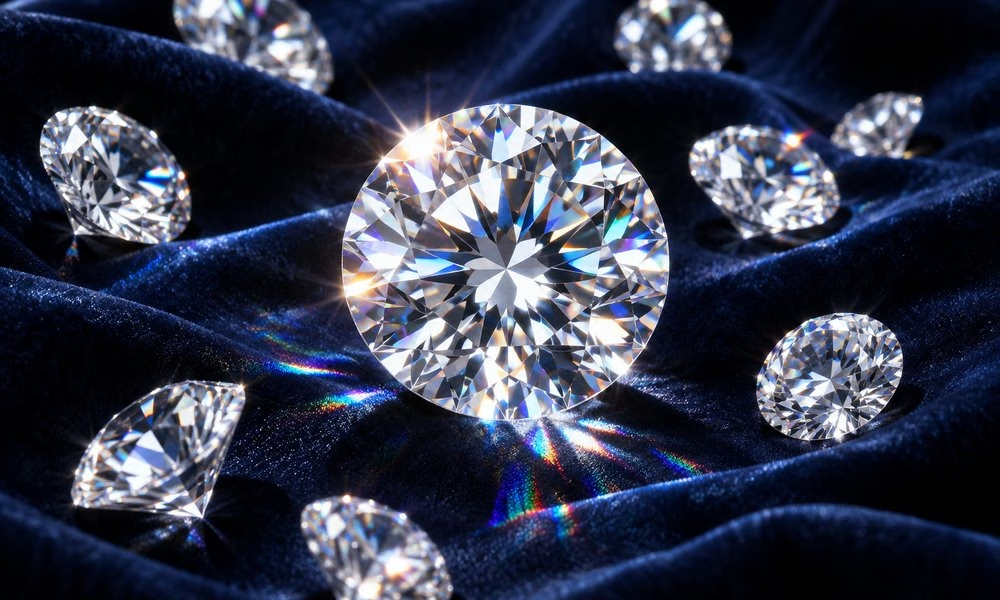
AI-generated for illustrative purposes.
Feature image AI-generated for illustrative purposes.
De Beers began in South Africa in 1888, when rival mining magnates Cecil Rhodes and Barney Barnato combined their operations. By around 1900, the company controlled an estimated 90 percent of diamond production. That figure describes a share of production under its control. De Beers’ company history and Auburn University research.
De Beers used that market power to influence how many diamonds reached buyers. Its Central Selling Organisation sold stones from De Beers mines as well as rough diamonds purchased from other producers. When demand weakened, it could stockpile stones and limit deliveries. In 1993, when the organisation handled more than 80 percent of the world’s uncut diamond sales, it was using quotas to reduce the flow of new stones and support prices. The Independent’s 1993 report.
The company turned to advertising to build demand. De Beers launched its first U.S. advertising campaign in 1939. In 1947, Frances Gerety, a copywriter at N.W. Ayer, came up with the slogan “A Diamond Is Forever.” The line tied the durability of the stone to the promise of a lasting marriage. De Beers’ advertising timeline.
The campaign made the size of an engagement diamond a public sign of a man’s commitment and financial standing. Celebrity rings and publicity helped spread the idea. A company that already had enormous influence over the supply of rough diamonds now had a campaign persuading generations of couples to buy one for the same occasion. National Geographic’s history of the diamond engagement ring.
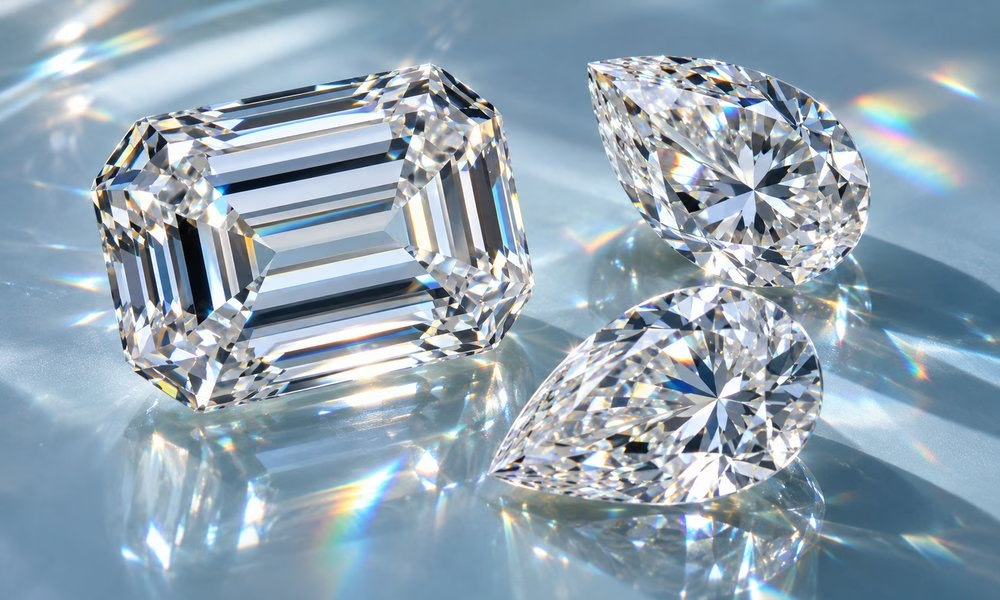
Geologists have found evidence that diamond may be astonishingly abundant deep inside Earth. In 2018, a team including MIT researchers used seismic data and rock models to estimate that more than a quadrillion tons of diamond could be scattered through the ancient roots of continents. The researchers put those deposits roughly 90 to 150 miles below the surface, far beyond the reach of mining. MIT’s research summary.
The gold comparison comes out differently at the mine. In 2024, the Kimberley Process recorded about 108 million carats of rough diamond production worldwide, equivalent to about 21.6 metric tonnes. The World Gold Council estimated that mines produced about 3,650 metric tonnes of gold that year, roughly 169 times as much by weight. Those figures measure what miners recovered in a single year. The MIT estimate measures a possible deposit deep underground. Kimberley Process production data and World Gold Council mine production estimates.
Rarity also depends on the stone. The rough-diamond total includes industrial material as well as gems, and the Gemological Institute of America describes large, vividly colored natural diamonds as extremely rare. Laboratories, meanwhile, can grow diamonds with essentially the same chemical, physical and optical properties as mined stones. Buyers looking for the sparkle of a diamond now have a source that requires no diamond mine. GIA on colored diamonds and GIA on laboratory-grown diamonds.
De Beers helped make the diamond engagement ring a social expectation while controlling how much of the world’s rough supply came to market. The stockpiles show how much of the scarcity buyers encountered could be managed by a seller. The advertising shows how that same seller gave millions of people a reason to pay for it.