IMMIGRATION RULING RELEASED JUNE 2026
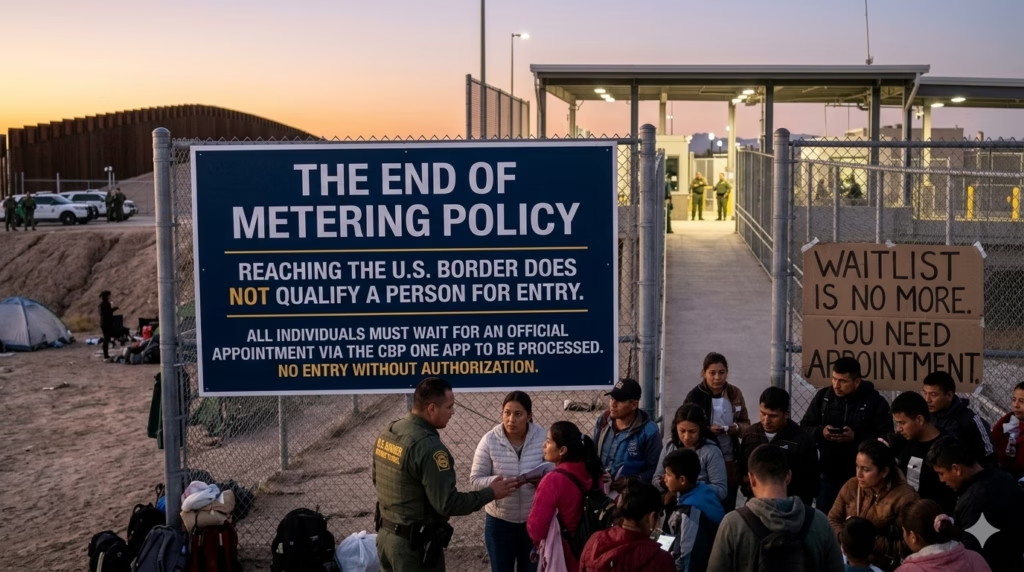
END OF BIDEN ERA METERING AT THE BORDER
Metering in immigration was a U.S. border management practice where U.S. Customs and Border Protection (CBP) limited the number of asylum seekers processed at designated ports of entry each day. It forced migrants to remain outside the United States—often in dangerous Mexican border towns—until officials allow them to proceed. [1, 2, 3, 4]. It is no longer a legal practice.
By SyndicatedNews | SNN.BZ
This week, the U.S. Supreme Court made an important decision about immigration and asylum at the southern border. The Court ruled that people who are still on the Mexico side of the border are not considered to have “arrived” in the United States, even if they are standing at an official port of entry asking for asylum. Because of that, border officers can require them to wait in Mexico instead of letting them enter the U.S. to begin the asylum process.
The ruling brings back the legal foundation for a policy known as “metering.” Under this policy, the government can limit how many asylum seekers are processed each day. If officials say the port of entry is full or does not have enough capacity, they can turn people away and tell them to wait on the Mexican side until they are allowed to come back.
Supporters of the decision say the government needs the ability to control the flow of people arriving at the border. They argue that border facilities have limited space and staff, and that this ruling gives immigration officials more flexibility to manage large numbers of migrants in an orderly way.
People who disagree with the ruling say it could leave thousands of asylum seekers waiting in dangerous conditions in northern Mexico. They argue that many people fleeing violence or persecution may face serious risks while they wait, and some may never get the chance to present their asylum claims. Several justices who disagreed with the majority warned that the decision could make it harder for vulnerable people to seek protection.
The phrase “el otro lado” is Spanish and literally means “the other side.” In this situation, it refers to the other side of the U.S.-Mexico border. For many people in Mexico and Central America, “irse al otro lado” means going to the United States in search of safety, work, or a better future. In this court case, it also refers to the immigrant rights organization called Al Otro Lado, which challenged the government’s border policy in court.
The Court’s decision does not end asylum in the United States. People who are physically inside the country may still apply for asylum if they meet the legal requirements. What changed is the Court’s interpretation of when someone is legally considered to have arrived in the United States for purposes of requesting asylum at the border.
This decision is expected to affect how future administrations manage the southern border. Immigration officials may once again use metering or similar practices when they believe ports of entry are overwhelmed. The ruling could also influence future court cases involving asylum and border enforcement.
For families following immigration news, the biggest takeaway is simple: the Supreme Court decided that people waiting on the Mexico side of the border do not have the same legal right to begin the asylum process as people who have already entered the United States. That legal distinction is likely to shape border policy and asylum procedures for years to come.