Invictus Collected $63 Million: Veterans Given $1.5 Million. Harry – Where’s The Rest Of It?
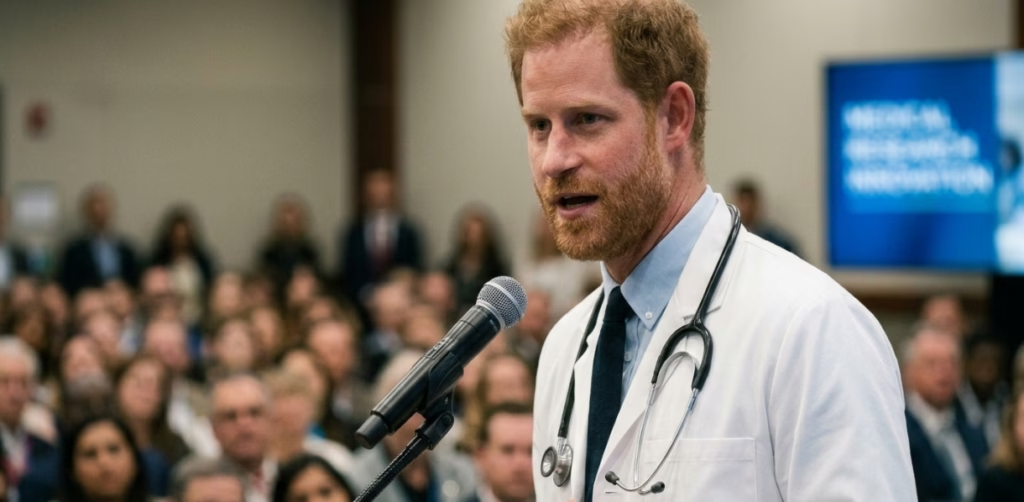
Unqualified and fighting demons of his own yet gives mental health speeches.
The Invictus Controversy Raises Serious Questions: Why Is An Unlicensed, Untrained Substance Abuser With No Record Of Ever Successfully Completing Even One Rehab Program, Providing Mental Health Guidance? Legal Experts Say Sponsors Could Face Liability — Perhaps Explaining Boeing’s Exit.
By Ruthie DiTucci
The “Invictus scandal” refers to ongoing controversies and criticisms surrounding the financial management, spending priorities, and governance of the Invictus Games Foundation and its events (particularly the 2025 Vancouver Whistler Games), centered on Prince Harry’s flagship charity for wounded, injured, and sick service personnel.
The Key Elements Of What’s Happened
The scandal gained traction in 2025–2026, driven by public financial analyses and media coverage. Main issues include:
- High Cost Per Veteran: The 2025 Invictus Games had a $63.2 million CAD operating budget for 543 competitors, equating to roughly $116,000–$118,000 per athlete, with significant public funding involved.
- Spending vs. Direct Impact: Concerns that a large portion of resources went toward operations, logistics, high-profile events, and production, while direct grants to veteran organizations reportedly declined even as reserves grew.
- Sponsor Pullouts and Funding Gaps: Major sponsor Boeing did not renew for the 2027 Birmingham Games, and other funding shortfalls have emerged.
- Perceived Focus on Harry & Meghan: Reports from former executives and veterans alleging the events became overly centered on the couple’s visibility rather than the athletes.
Additional Corporate Sponsorship Considerations
Another factor that large corporations with professional legal and risk management teams may weigh carefully is Prince Harry’s prominent role as a speaker and advocate on mental health, trauma, and substance use issues. In his memoir Spare and various interviews, Harry has been candid about his past use of alcohol, cocaine, marijuana, and other substances, often describing them as coping mechanisms during difficult periods. While he has shared that he sought therapy for mental health challenges, he has not publicly detailed completing a formal, extended rehabilitation program for substance issues (beyond a brief educational visit to a rehab facility as a teenager).
Additionally, Prince Harry does not hold professional licenses or clinical qualifications in mental health, psychology, addiction counseling, or related medical fields. Corporations may consider the potential reputational and legal risks of associating their brand with an individual in this capacity—particularly if attendees or participants were to interpret his personal experiences as professional guidance. In the event of negative outcomes, such as someone acting on advice that leads to harm, companies could face questions about due diligence in their sponsorship or event partnerships.
Invictus Games was founded by Prince Harry in 2014 and has positively impacted many veterans through sport and recovery. Defenders note that large-scale events naturally involve substantial costs, and Harry’s advocacy draws from lived experience. Critics, however, question the efficiency and long-term sustainability of the model.
The Invictus Games Collected $63M in donations but it was mostly spent on running a large-scale, high-production international event (venues, travel, hotels, ceremonies, media, staffing, etc.), not on direct cash aid to wounded veterans or their organizations. Only a small fraction became long-term grants or legacy funding.
This gap between total spending and direct charitable output is exactly why the financial scrutiny and “scandal” narrative has grown. The story continues to evolve with media scrutiny in 2026. It remains a matter of governance, optics, and accountability rather than any proven legal wrongdoing.