Xi to Trump: “We Should Be Partners Not Rivals”
THIS IS WHAT GLOBAL POWER LOOKS LIKE
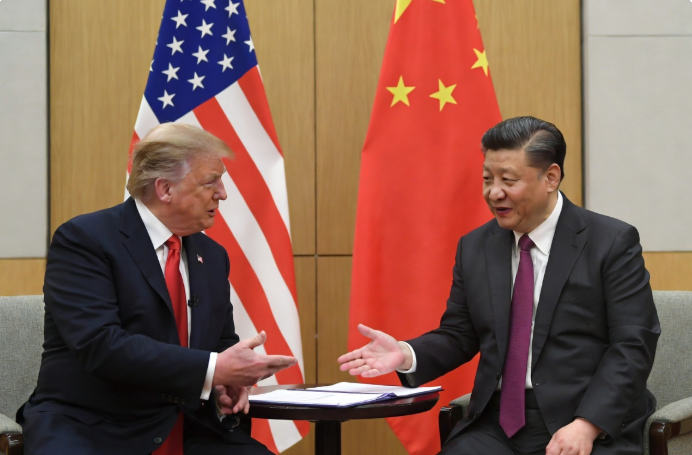
President Donald Trump arrived in China to an extraordinary reception that quickly became one of the defining diplomatic images of the year. Greeted warmly by Chinese President Xi Jinping, the visit was marked by ceremonial grandeur, packed meetings, and a visible sense of mutual respect between two world leaders representing the globe’s most influential powers.
By SyndicatedNews | SNN.BZ
From the moment Air Force One touched down, the atmosphere surrounding the trip reflected the significance of America’s renewed presence and confidence on the international stage.
Throughout the visit, President Trump projected a message of strength, stability, and strategic clarity. Chinese officials rolled out an exceptionally polished welcome, with state banquets, cultural showcases, and formal meetings designed to emphasize the importance of U.S.-China relations. Observers noted the chemistry between Trump and Xi, with both leaders emphasizing economic cooperation, trade stability, and long-term geopolitical balance. The images broadcast around the world conveyed not only diplomacy, but also the reality that the United States remains the central force in global leadership and economic influence.
The trip also highlighted what supporters describe as one of President Trump’s greatest political strengths: his ability to negotiate from a position of confidence while keeping America’s interests at the forefront. Over the course of his leadership, Trump has consistently argued that the United States must reclaim its leverage in trade, manufacturing, energy, and national security. His strategic focus on strengthening domestic industry, securing supply chains, and reshaping international economic relationships has increasingly placed America in a commanding position globally. Even critics acknowledge that foreign leaders pay close attention to Trump’s direct negotiating style and his willingness to challenge long-standing diplomatic norms.
During meetings with Chinese leadership, discussions reportedly centered on trade expansion, technology competition, investment opportunities, and regional security concerns. President Trump emphasized the importance of fair economic partnerships while reaffirming America’s commitment to protecting its industries and workers. At the same time, the tone of the visit remained notably optimistic, with both sides presenting the meetings as an opportunity for cooperation rather than confrontation. That balance between strength and diplomacy has become a hallmark of Trump’s international approach.
Beyond policy, the visit carried powerful symbolism. In a world increasingly shaped by economic competition and geopolitical uncertainty, the scenes from Beijing underscored America’s continued importance as the leading global power. Trump’s supporters viewed the warm reception from Xi as recognition that the United States, under Trump’s leadership, has regained strategic momentum and international respect. The visit projected confidence, prosperity, and a renewed sense that America is once again operating from a position of undeniable influence.
For many Americans watching at home, the trip became more than just another diplomatic meeting. It was a feel-good moment that combined patriotism, leadership, and optimism about the nation’s future. With flags waving, world leaders exchanging praise, and global attention focused squarely on the United States, President Trump’s visit to China served as a reminder that American leadership still commands the spotlight — and that strong diplomacy, backed by economic power and strategic vision, continues to shape the future of the world.