META 70% YOUTUBE 30% FOUND NEGLIGENT
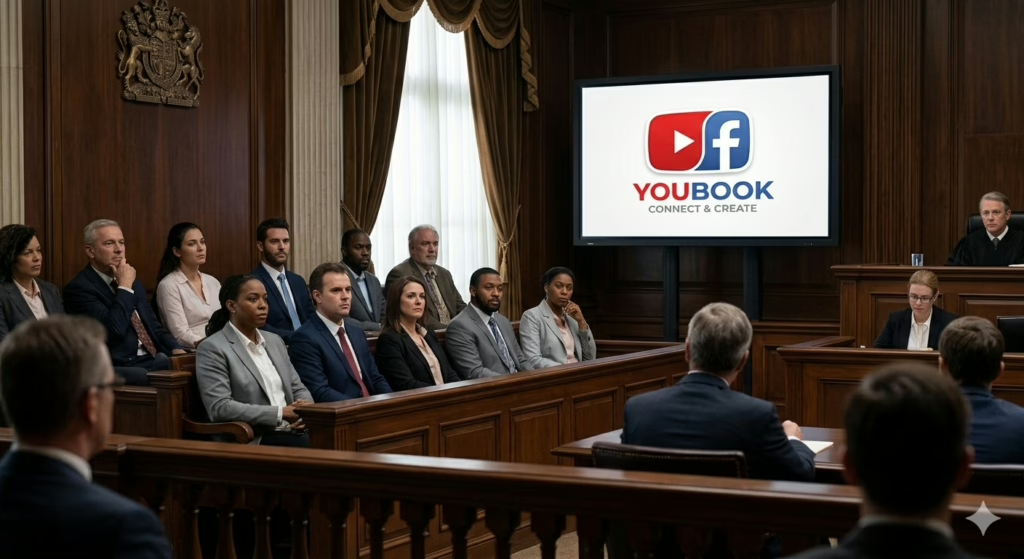
TECH COMPANIES USE PREDATORY PRACTICES TO HOOK KIDS INTO THEIR APPS
Facebook, Instagram and Youtube used predatory practices to hook kids
By SyndicateNews Technology | SNN.BZ
In a groundbreaking decision that could reshape how social media companies are held accountable for youth mental health, a Los Angeles jury found Meta and YouTube negligent in the design and operation of their platforms. The landmark trial centered on allegations that addictive features on Instagram and YouTube contributed to severe harm for a young user. This bellwether case, one of the first to reach a jury on social media addiction claims, marks a significant victory for plaintiffs arguing that tech giants have long ignored the dangers posed to children.
The plaintiff, a 20-year-old woman from Chico, California, identified in court documents only as K.G.M. or Kaley, sued the companies in 2023. Her attorneys argued that she began using social media as a child and quickly became hooked due to features like infinite scrolling, algorithmic recommendations, and autoplay videos. These designs, they claimed, exacerbated her depression, anxiety, body dysmorphia, and suicidal thoughts. Kaley testified that the platforms used predatory tactics to keep young users engaged, fueling a broader mental health crisis among minors.
Originally, the lawsuit also named TikTok and Snapchat’s parent companies, but those entities settled confidentially before trial, leaving Meta (owner of Instagram and Facebook) and Google-owned YouTube to face the jury. The five-week trial in Los Angeles Superior Court featured testimony from Kaley, her family, and experts, along with executives from the tech firms who defended their products as beneficial tools rather than harmful addictions. Jurors deliberated for more than 40 hours over nine days before reaching their decision.
On March 25, the jury unanimously found both Meta and YouTube liable. They determined that the companies were negligent, that their negligence was a substantial factor in causing Kaley’s harm, and that they failed to provide adequate warnings about the platforms’ risks. The verdict represents a rare instance where social media giants have been held civilly responsible for user well-being in a court of law, drawing comparisons to past tobacco industry lawsuits.
The jury awarded Kaley $3 million in compensatory damages, assigning 70% responsibility to Meta and 30% to YouTube. Following that, they assessed additional punitive damages after finding the companies acted with malice or oppression, bringing the total judgment to approximately $6 million (with Meta responsible for about $4.2 million and YouTube for $1.8 million). While modest relative to the companies’ vast resources, the symbolic impact is enormous.
Legal experts say the outcome could influence hundreds of similar pending lawsuits filed by other teens, parents, and school districts across the United States. It validates a legal theory that platforms can be held liable for personal injury caused by addictive design choices. Both Meta and YouTube have indicated they plan to appeal, arguing the plaintiff’s challenges stemmed from other factors and that the verdict could chill innovation.
This case underscores growing societal pressure on Big Tech to prioritize safety over engagement. As more families and lawmakers demand reforms, the LA verdict may accelerate calls for stricter regulations on social media features targeting minors. For now, it stands as a historic moment: the first jury to declare that Meta and YouTube’s products can indeed cause real, compensable harm to young users.
Following the landmark jury verdict on March 25, 2026, in the Los Angeles Superior Court, the financial consequences for the tech giants involved are historic. The jury found both Meta and Google liable for negligence and failure to warn users about the addictive nature of their platforms, particularly concerning the impact on children’s mental health.
Here is the breakdown of the $260 million in total damages awarded to the plaintiff:
1. Meta (Facebook & Instagram)
- Liability: 70%
- Compensatory Damages: $35 million (for medical care, therapy, and emotional distress)
- Punitive Damages: $147 million
- Total Awarded: $182 million
The jury assigned the majority of the blame to Meta, citing internal documents that showed the company was aware of the “compulsive loops” created by Instagram’s algorithm but failed to implement safeguards.
2. Google (YouTube)
- Liability: 30%
- Compensatory Damages: $15 million
- Punitive Damages: $63 million
- Total Awarded: $78 million
YouTube was held liable for its “autoplay” and recommendation features, which the jury determined were designed to override a child’s impulse control.
3. Settlements (Pre-Trial)
While not part of the final jury award, the following companies reached settlements to avoid the public trial:
- TikTok (ByteDance): Settled for an undisclosed amount, though legal analysts estimate it exceeded $100 million given the platform’s high engagement metrics among minors.
- Snap Inc. (Snapchat): Settled for an undisclosed sum shortly before the jury was seated.
Key Takeaway
The jury’s decision to award punitive damages—which are intended to punish the defendant and deter similar conduct—is a massive blow to the industry. It signals that the legal system now views “addictive design” as a form of product defect.
Would you like to explore the specific evidence presented during the trial that led to these massive punitive awards, or should we look into how this verdict affects pending cases in other states?